
The Secret to Successful Dog Walks
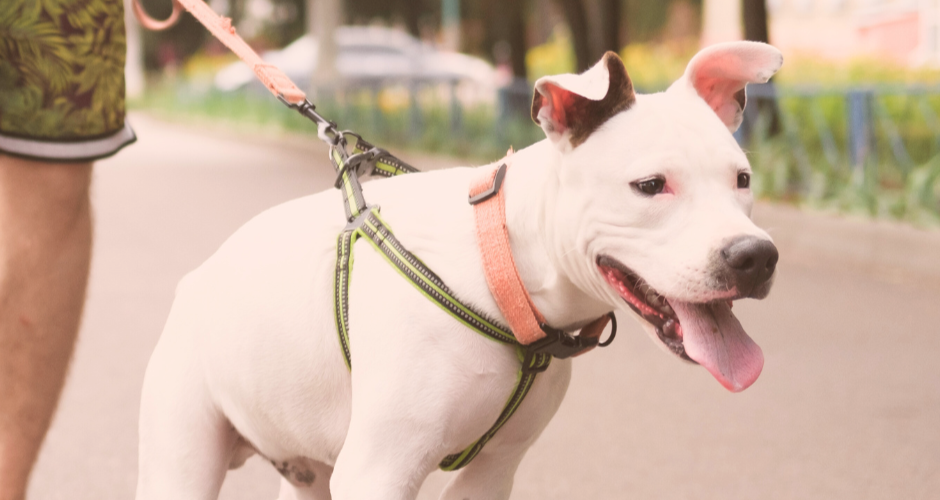
Do you dream of pleasant walks with a well behaved dog? Do you picture a quiet morning stroll, a lovely weekend hike, or a potter around the park?
I’d bet you don’t dream of a dog who pulls on the lead, chases wildlife, or ignores their recall cue. I’m almost certain you don’t dream of a dog who bites at your clothes, refuses to move, or barks at everyone they see.
If you’re embarrassed, frustrated or just plain baffled at your dog’s behaviour don’t worry - I’m going to let you in on a secret that might change everything:
You and your dog are on different walks.
Each time you go out with your dog there are two sets of feelings, expectations and abilities at play - and problems usually arise when one or more of these things is mismatched.
The things you’re feeling, the things you’d like to do, and the things you’ve got time for are not going to be the same as your dog’s - and if you want to turn those frustrating nightmare walks in to something more enjoyable, it’s time to look a little bit closer at the real reasons your pup is being a pain.
Feelings:
The way your dog feels about going for a walk is going to have a huge impact on the way you both experience it. A dog who is is bouncing off the walls with excitement before you’ve even got their lead on is not in a good frame of mind to be listening to you - and why would they, when the world is so full of things to explore! On the flip side, a dog who is worried about the things they might encounter - be those other dogs, loud noises, new places or even bad weather - is likely to be too focussed on keeping themselves safe, and may panic even at the sight of something unsettling.
Pain and discomfort can also cause your dog to behave unusually - they might find certain surfaces, inclines or conditions uncomfortable, and be reluctant to head in certain directions. They might even seem standoffish or aggressive towards other dogs and people who try to interact with them. Something as simple as just feeling tired, sad or not in the mood will affect the way they behave when you head out together - in many ways, they’re really not that different to us!
Expectations:
This one’s a biggie, and is probably the source of most of the friction I see between dogs and their people day to day. Us humans usually have a plan in mind when we take our dogs for a walk: a quick ten minutes around the block because we’re already running late, a Sunday afternoon mooch to the pub, a chance to go for a stomp and clear our heads. But how often do we stop to think about what our dogs have in mind?
If your dog had a choice, what do you think they would do on a walk? Would they opt for a quick dash around the corner and back? A long, slow, sniffy meander through the fallen leaves? Would they choose to find playmates, to run around, to chase wildlife, or to sit calmly and take the world in?
Each dog is different, and they might even pick different things on different days. The key thing to remember is that your dog has interests, preferences and expectations just the same as you do! A walk to them is so much more than just stretching their legs - it’s a chance to explore and investigate, to gather information, to interact with other dogs, and to use all of their amazing doggy senses and instincts. Most dogs spend the vast majority of their time indoors, and they don’t get an awful lot of opportunities to do the things they really want to do.
So when you take your pup out and they’re walking too fast, or too slow, heading in a different direction to the one you chose or simply seeming to completely forget you exist, take a moment to wonder: what is they were actually hoping to do today?
Abilities:
Last but certainly not least, it’s easy to overlook the fact that your dog might not actually know what you’d like them to do on a walk - or how to do it!
Despite what some people seem to think, dogs don’t come pre-programmed with the knowledge of how to walk nicely on the lead, how to cross roads safely, how to put a harness and collar on, or how to come back when called. Many don’t have the confidence or social skills needed to have successful interactions with other dogs, and even more don’t have the ability to do anything other than follow their beautifully honed instincts when faced with birds, rabbits and squirrels. Some dogs may not even be physically or emotionally capable of what you’re asking them to do. A dog with sore hips can’t walk any faster, a nervous dog might be too worried to pay attention to what you’re asking.
To a greater or lesser degree, each dog will need to be taught how to do every one of these things. Your dog doesn’t pull on the lead because they’re being naughty, they’re doing it because it works (because so far, the pulling still gets them to where they want to go). They don’t ignore you when you call them because they’re trying to annoy you - you’re asking them to turn away from all the fun and interesting things, and they don’t actually know why they should. Recall so often means that their lead goes on and they head home - would you listen to someone who only ever made things more boring?!
The more you empower your dog with the skills they need to navigate the world with you, the more enjoyable walks will be for you both.
The Perfect Walk
Next time you’re about to head out with your furry friend, pause for a moment to ask yourself: “How does my dog feel about this walk? What are they hoping to get out of it? Do they have the skills they need for what I’m asking them to do?”
In essence: are you and your dog about to go on the same walk?
If there’s an imbalance between your dog’s feelings, expectations, abilities and your own, then it might be time to adjust your plan. Of course, it’s probably not realistic to make every single outing the ideal walk for your pup, but we do have to make compromises.
If your dog loves to sniff, focus on really giving them time to do it rather than on how far you get. If they love to run but have no recall, invest in a long-line or book a slot at a secure field. And if you think they just really need some extra training to make everything smoother for both of you, then I’m here to help you finally start having the walks of your dreams.